Tēnā koutou katoa
Welcome to the Office of Early Childhood Education
National and public adviser on ECE, the OECE is a sector body representing teachers and all types of licensed services driving safer, higher‑quality education for every child
View our positions
- Provides membership support to ECE services, teachers, researchers, and community partners
- Actively contributes to sector analysis, research, and policy development
- Advances evidence-based best practices that prioritise children’s interests and wellbeing
View the Code of Conduct for ECE Services
Get Unrestricted Access to NZ’s Specialist ECE NEWSROOM
National and local stories, expert analysis, commentary, and more.
Education Bulletin and Sector Notices
Free to sign-up and receive
Membership Services and Support for:
Teacher Member Posts
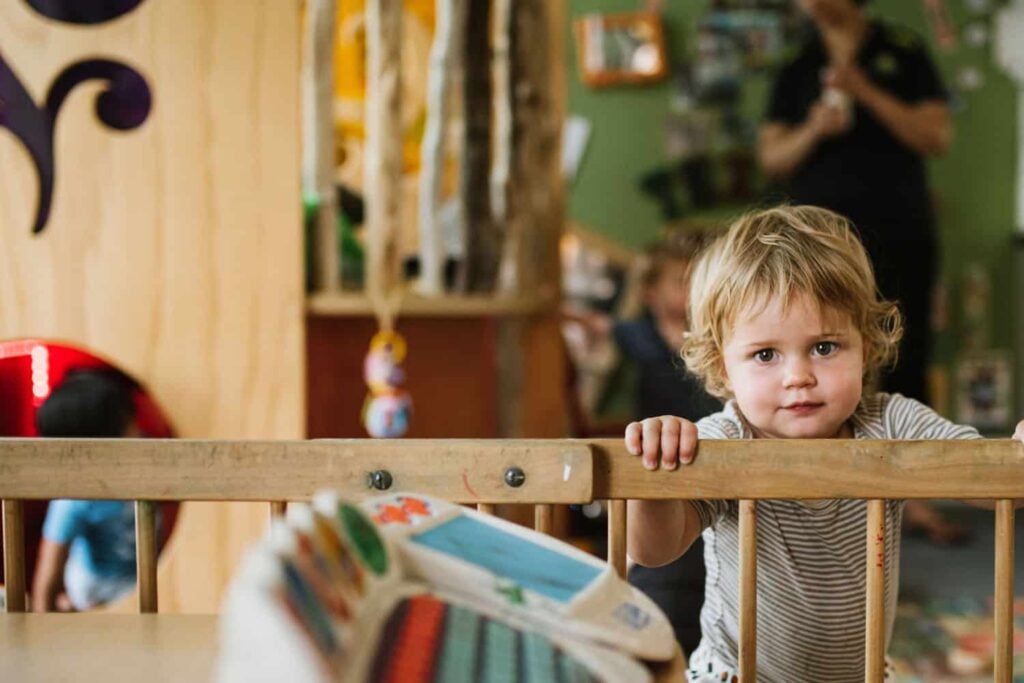
Helping Parents Make the Transition to ECE
Parents Leaving their Child For the First Time in Care – An anxious time.
“A heart wrenching moment for all parents is when we leave our child for the first time in the care of someone else who is not well-known to us or at early childhood service or school. A child may become a lot quieter than usual or kick up a fuss. Either way as parents we
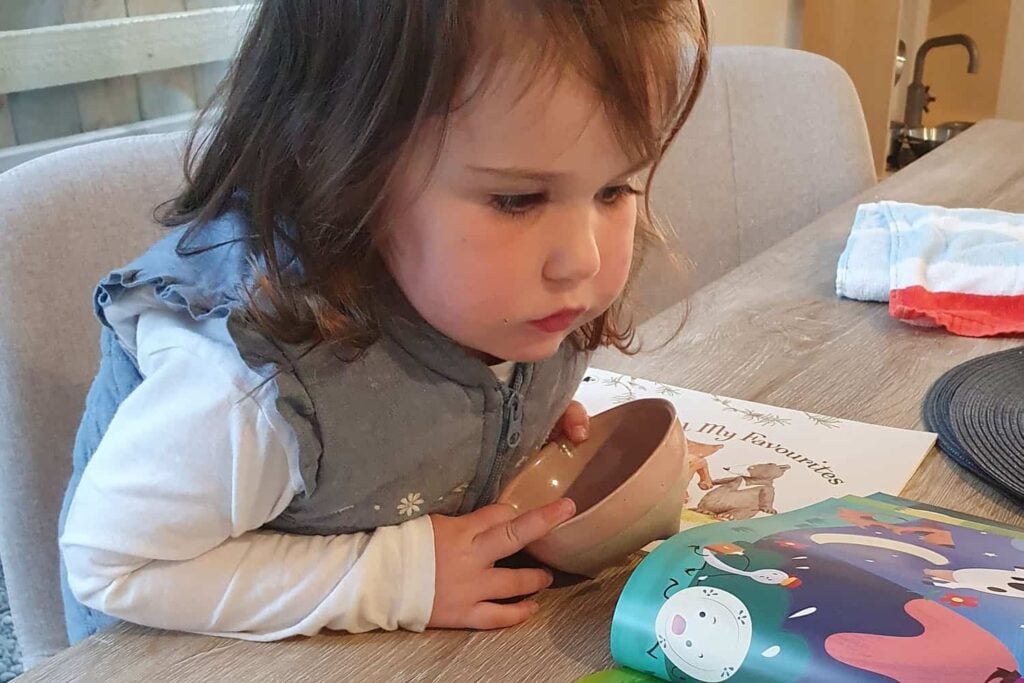
Gifted in Reading
While most children who are turning five years of age may at most recognise their name and perhaps a few other words, a gifted child at the same age may already be capable of reading books at Year 2 primary school level and above.
Identifying a Child Who is Gifted in Reading
A child who is gifted in reading has most or all of the following characteristics:
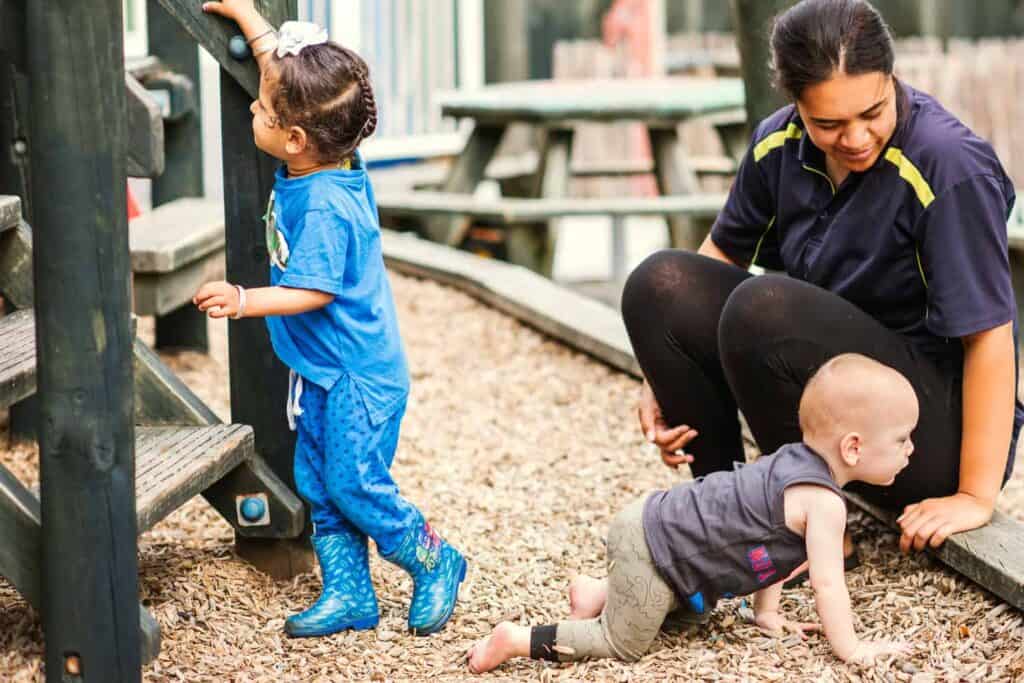
Active Supervision: Four Skills Every Adult Teaching in ECE Should Know
Active supervision is the single most effective way to prevent harm – this article explains what active supervision is and the four essential skills adults should demonstrate when working in early childhood settings.

Face painting
Face painting – Kōrero mai
Throughout history and across many different societies, facepainting has been used for various purposes including camouflage, fashion, religious ceremonies and rituals or to tell stories about a person’s rank, to name a few.
Learning outcomes and benefits of face painting for tamariki in an ECE environment inclu
Service Provider Member Posts
Getting Relievers and Managing Relief Staff
An early childhood reliever is a much welcome part to any ECE service. Teachers and home-based coordinators will require annual or sick leave, or you may need someone to fill in, while you look for a new staff member. Whatever the reason for your need for using a reliever, there are many questions and concerns that may arise for employers and manag
Ministry of Education Audits: Funding Audit and Record Keeping Audits
The purpose of a visiting audit from the Ministry of Education is to verify that the service is claiming and receiving the correct amount of MoE funding,
It is also to verify that a service is meeting the record keeping requirements for the grants, and to provide advice and assistance to services on record keeping requirements.

Social Media Policy: Essential and Effective Guidelines and Template for Early Childhood Services
We provide a policy template as well as highlighting the main issues for your team to discuss and ensure your policy is practical, protective and aligned with the realities of social media use in New Zealand early childhood settings.
Make time to think through the key considerations, risks and decisions involved.
At the end of this article, you will find a Social Media Policy template that you can adapt and use to create a policy that suits your service’s needs, values and social media practices.
When used well, social media can strengthen communication, build community and serve as a powerful marketing tool. When used poorly, it can compromise privacy, blur professional boundaries and damage trust.
Social media refers to Internet based tools that allow users to publish information, opinions, images and other content. In New Zealand early childhood settings, the most commonly used platforms include
Leadership and Delegating
Delegating as a leader.
A key reason why the workload of a manager or leader can become unreasonable is that they can take on too much!
When a teacher takes on a management role a common mistake is to assume that the job consists of ensuring that they comply with regulatory and licensing requirements, health and safety and financial systems
Research Library – Today’s Featured Articles
Engaging in Collaborative Research: Lessons Learned
Teacher-Researcher Partnership and Research Collaborations. By Margaret Turnbull and Helen Dixon. NZ Research in Early Childhood Education journal, Vol. 9, 2006, pp. 91-103
Abstract
A collaborative research initiative was established between early childhood centre staff and teacher educators from a tertiary institution. The aim of the resear

Supported Playgroup Located on School Grounds: Developing Family Relationships Within a School Environment to Support Children’s Transition to School
FULL REFERENCE: Knaus, M. & Warren, J. (2015). A supported playgroup located on school grounds: Developing family relationships within a school environment to support children’s transition to school. NZ Research in Early Childhood Education Journal, 18, 20- 36.
Log-in to read the full research paper below. Or order a pdf copy of the article from the main NZIRECE Journal page.
ABSTRACT: Children in the early years of life face many changes and transitions and the provision of a supported playgroup on a school site enables the continuity of early childhood programmes and offers a pathway for a smooth transition to the school environment. Research has shown that when children from disadvantaged families participate in playgroups, better social and emotional outcomes are realised. The findings of this research offer insights into the importance of the formation of relationships between parents, children and the school community when transitioning children to school.
Key words: Playgroup; transition to school; disadvantaged children.
Introduction
In the early years of life, children are participants in the social and cultural world around them. As children interact between home environments and community settings they are exposed to multiple contexts that change over time (Bowes, Grace & Hayes, 2009). More than any other phase, early childhood is characterised by a series of transitions into new environments (Bernard Leer Foundation, 2007). One major life event for children and families is the transition to school. Such an event can often be a social or biological turning point that includes expectations and responsibilities (Bernard Leer Foundation 2007). Transition to school presents many new challenges for children as they learn to adapt to physical and social environments and routines (Berlin, 2010).
Parent-led community playgroups have a long tradition in Australian contexts and are generally identified as an organised gathering of parents and children who meet regularly to play and socialise. A supported playgroup differs in that it is operated by an organisation, and is usually facilitated by early childhood educators or community workers. Research has demonstrated that positive experiences and quality programmes have a favourable impact on later school success (Pianta & Kraft-Sayer, 2003; Dockett & Perry, 2008). Programs that involve families, educators, and support professionals working in partnership have potential to incorporate smooth transitions into the compulsory years of school (Jackson, 2011). A supported playgroup within a school setting is one type of transitional programme.
Advocating for a Comprehensive Approach to Assessment in NZ Early Childhood Education
FULL REFERENCE: Zhang, Q. (2015). Advocating for a comprehensive approach to assessment in New Zealand early childhood education. NZ Research in Early Childhood Education Journal, 18, 67 – 79.
Log-in to read the full research paper below. Or order a pdf copy of the article from the main NZIRECE Journal page.
ABSTRACT: The Learning Story approach to assessing and reporting children’s learning is the dominant approach to assessment in New Zealand early childhood education largely due to endorsement by the Ministry Education and advocacy by academics and educational authorities. This article argues that regardless of the appeal of Learning Stories this approach should not be promoted as the only or best assessment practice. Educators, parents and children should be provided with choices, and a more multi-method or comprehensive approach taken to assessment. Two key rationales for a comprehensive approach presented in this paper are: (1) assessment has multiple purposes that require multiple tools rather than a one-size-fits-all approach; and (2) the effectiveness of assessment tools is contextually determined.
Key words: Assessment; Learning Stories; multi-method; comprehensive approach.
Introduction
Assessment in early childhood education is important for raising children’s learning outcomes. Internationally, there is debate and no consensus on what assessment practices constitute ‘best practices’; but in NZ over the past ten years, Learning Stories has gained dominancy largely due to endorsement by the Ministry of Education and advocacy by academics and educational authorities. The publication and circulation of Assessment for Learning: Early Childhood Exemplars, a series of books featuring sample Learning Stories (Ministry of Education, 2004, 2007, 2009), along with funded nation-wide professional development for teachers, helped to secure the place of Learning Story methodology in NZ early childhood education. Assessment in early childhood education is generally seen to mean Learning Stories and the possibility is not considered that there exist other methods that could be used instead of or in conjunction with Learning Stories. This article argues that, regardless of the appeal of Learning Story methodology, this approach should not dominate or monopolise the early childhood education assessment practices, as is the case currently in New Zealand.
Conceptualising assessment in early childhood settings
Public-Professional Barriers to Breastfeeding
Drawing on lived experience within the ECE sector, this reflection reveals how public‑professional attitudes can undermine breastfeeding despite clear developmental and equity benefits. It’s a must‑read for anyone shaping research, policy, or system‑level change in early childhood education.
What We Do
Resources