Tēnā koutou katoa
Welcome to the Office of Early Childhood Education
National and public adviser on ECE, the OECE is a sector body representing teachers and all types of licensed services driving safer, higher‑quality education for every child
View our positions
- Provides membership support to ECE services, teachers, researchers, and community partners
- Actively contributes to sector analysis, research, and policy development
- Advances evidence-based best practices that prioritise children’s interests and wellbeing
View the Code of Conduct for ECE Services
Get Unrestricted Access to NZ’s Specialist ECE NEWSROOM
National and local stories, expert analysis, commentary, and more.
Education Bulletin and Sector Notices
Free to sign-up and receive
Membership Services and Support for:
Teacher Member Posts

Independent Contractor or Employee? What Home‑Based Educators and Nannies Need to Know
If you work in your own home under a licensed home‑based agency, or in a family’s home as a nanny or home‑based educator, you may be asked to sign an agreement saying you’re an independent contractor.
But being incorrectly hired as a contractor can cost you real money, key employment rights, and important protections. Many educators don’t realise the risks until it’s too late – which is why it’s crucial to check whether your work arrangement actually meets the legal test.
Log in with your member details to read the full guidance. If your membership has lapsed or you’d like to join, get in touch and we’ll help you get set up quickly.
Here we help you to learn how to tell if you’re truly a contractor or if you should legally be an employee, and what to do if something doesn’t look right.

When Your Service is Not Meeting Adult-Child Ratio Minimums
Not meeting adult:child ratios.
There are various ways that adult-child ratios can become a problem.
For example, does your manager or boss tell you that it is okay to go under ratio and not replace you when you go on morning-tea breaks and on other occasions provided you are still in the building or on the grounds?
Ratios

Sign Language and Baby (Child) Signing
Baby Signing.
What is baby (child) signing?History – how it developed and what the researchers discovered. Simple tips for getting started with baby signing. Examples of some baby signs that you can easily learn and teach to infants in your care.
Also see a related article on what a parent and ECE service says about this: Parents sig
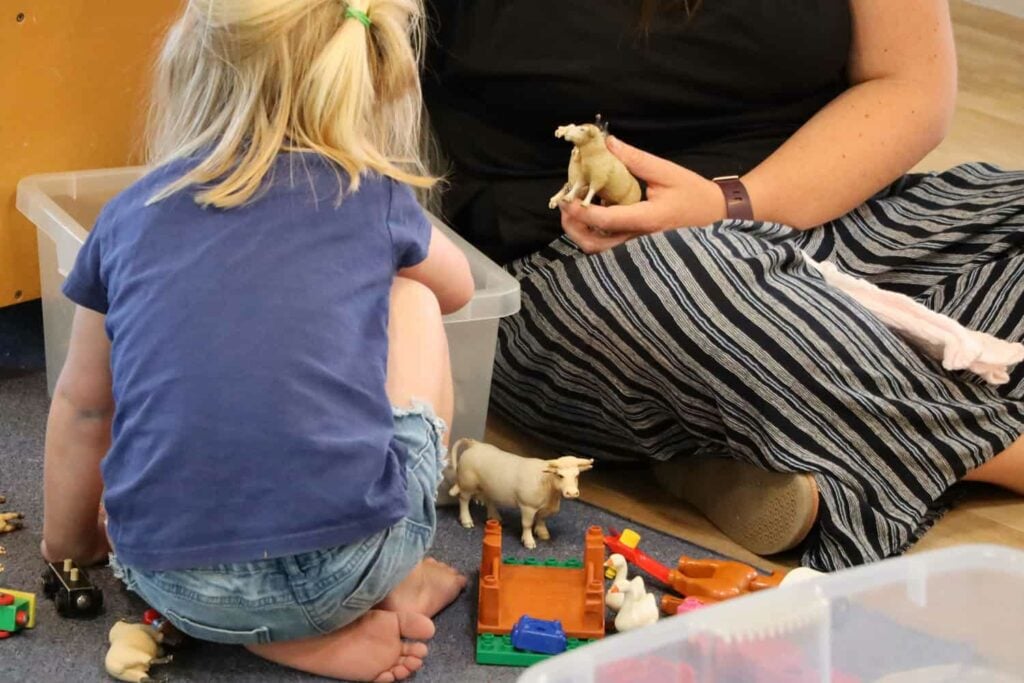
The Professional Development and Support Needs of Newly Qualified ECE Teachers
Too Much, Too Soon? The Multiple Roles and Identities of Newly Qualified Early Childhood by Helen Aitken. Read the full paper below. Or to order a pdf copy of the article go to the main NZIRECE Journal page.
Service Provider Member Posts
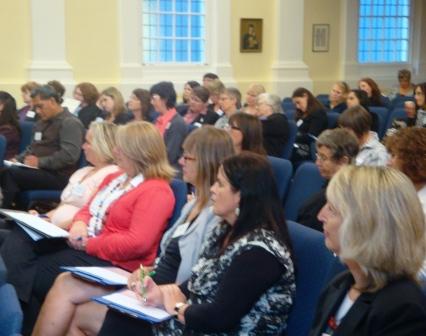
Caring for Yourself When Managing or Leading an ECE Service/s
Caring for yourself when managing a service or in the role of a leader. And, the responsibilities that owners and governance committees must meet in regard to supporting the manager and leaders.
Introduction
There seems to be the perception and expectation that managers and leaders should be able to face difficulty in their role and â€

Conflicts of Interest
Conflict of Interest.
A conflict of interest is when you, someone you are close to, employed by, or are personally friendly with may stand to benefit or gain in some way from a decision made at a meeting or within the service.
The board/committee, management, families and all involved in the early childhood service need to be confident that

Cashflow Management
Cashflow Management.
How do we cope with huge cash inflows from the MoE three times a year then famine in between?
The simplest way is to put into a separate bank account all the advances received each four months and then transfer it into the normal bank account monthly. You will also need some capital of your own in the bank to cover the c

Building is Unusable But You Need to Continue Providing Care for Children
ECE Centre Temporary Relocation.
A major earthquake, a fire, or other unplanned event such as gas leak, may mean your early childhood centre building cannot be used.
Parents will continue to need childcare, and you want to continue business but what can you do?
And what arrangements can you make quickly and keep within the law?
Research Library – Today’s Featured Articles
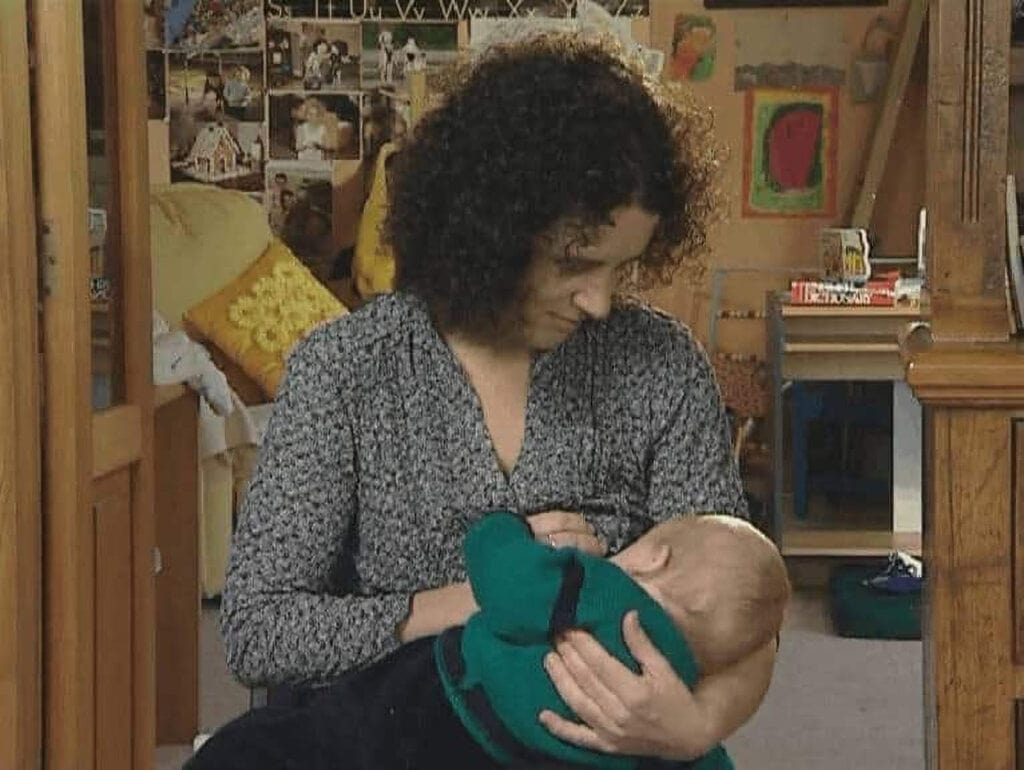
Breastfeeding Support and Practices in NZ Childcare: Studies and Policy Insights
Breastfeeding support in ECE has far‑reaching implications for child health, women’s workforce participation, and equity outcomes. These studies offer evidence‑rich insights and practical guidance that can inform stronger policy, reduce discrimination, and shape more supportive early childhood environments.

Changing Roles and Responsibilities: The Development of Coaching in Early Intervention
This paper examines if coaching has a potential role in helping authentic collaborative partnerships between early intervention teachers and early childhood educators and families.
Coaching is a process that can empower. It can also help ECE teachers to examine their own perceptions about the knowledge they hold. Read the full paper below. Or to order a pdf copy of the article go to the main NZIRECE Journal page.

Moving Beyond the Environment Towards a Multi-Pillared Approach: Early Childhood Teachers Understanding and Practices of Education for Sustainability in Aotearoa NZ
Full reference: Maxwell, A., Hohaia-Rollinson, F, and Woolston, D. (2025). Moving beyond the environment towards a multi-pillared approach: Early childhood teachers understanding and practices of education for sustainability in Aotearoa New Zealand. NZ International Research in Early Childhood Education Journal, 27, pp. 69-82.
Login to read the full research paper below. Or order a pdf copy of the article from the main NZIRECE Journal page.
ABSTRACT: The future health, wellbeing and sustainability of our planet and those living upon it is in urgent need of transformational change. Early childhood education (ECE) settings in Aotearoa New Zealand are an important part of the national education infrastructure that can be transformational in bringing about this change. The early childhood curriculum Te Whāriki (Ministry of Education [MoE], 2017), provides an important bicultural and sociocultural framework that can support ECE settings increase the national consciousness when education for sustainability (EfS) knowledge, understanding and pedagogies are embedded in everyday practice and apply a place-based education approach. This article shares findings from a research project that investigated ECE teachers’ current understandings and practices of EfS in Aotearoa New Zealand and the influence of local community and context on EfS practices. The results discussed in this article contributes to the EfS discourse and critical global conversations in relation to EfS to facilitate with more urgency transformational change.
Key words: Education for sustainability (EfS), localised curriculum, environmental education (EE), kaitiakitanga/guardianship, pillars of sustainability, place-based education.
More than Door Talks. Insights into Parental Involvement in the Irish ECE and Care Context
Login to view the full article. Or to order a pdf copy of the article, go to the main NZIRECE Journal page.
International organisations including the OECD and UNICEF characterise parental involvement in young children’s care and education as a fundamental right and obligation. This is reflected in early childhood curricula internationally.
This paper argues that parental involvement involves much more than ‘door talks.’ Drawing upon Bronfenbrenner’s ecological systems theory, which underpins parental involvement, the paper discusses ECEC as a form of parental support vis a vis addressing poverty and educational disadvantage.
What We Do
Resources